Buying Advice to Fishing Rod
Premier Casting Rod Labels: Quality, Outstanding Capability, and Competitive Pricing
Choosing the correct fishing rod is vital for anglers of all skill levels. The brand is instrumental in establishing quality, performance, and overall value. Established names like Ugly Stik and Shimano provide dependability for beginners, while experienced anglers may pursue advanced options from premium brands. Understanding the nuances of each company can improve the fishing experience. What factors should one take into account when selecting a rod?
Essential Qualities to Assess in Fishing Rods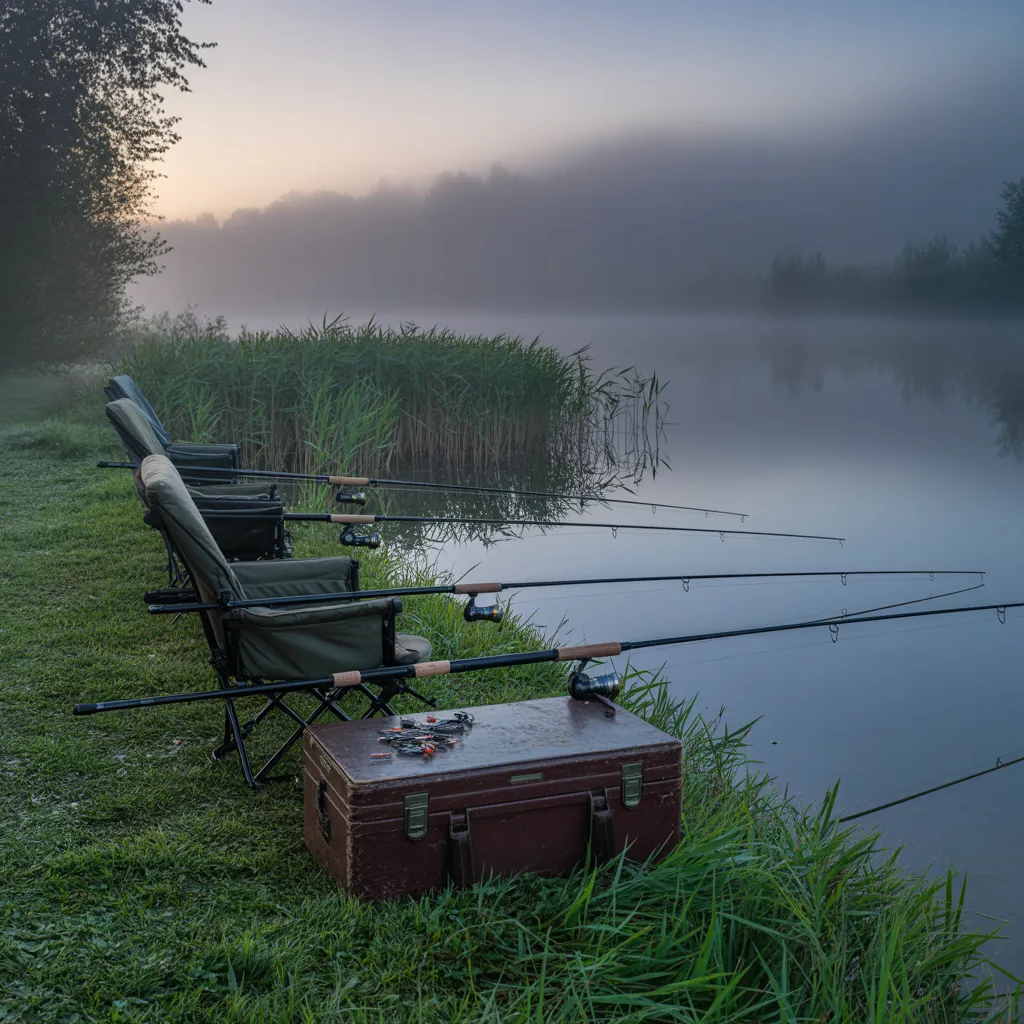
When selecting a fishing rod, anglers should consider several key features that can significantly impact their fishing experience. The rod's material is crucial; carbon fiber offers sensitivity and lightweight properties, while fiberglass delivers strength and durability. Length is another important factor, as longer rods can cast farther, while compact rods offer improved accuracy and control.
Action, which denotes the rod's flex properties, impacts how it reacts to fish strikes. Fast action rods bend near the tip, offering quick response, while slow action rods bend along their length, offering a more forgiving feel. Additionally, the power rating shows the rod's capability to support different fish sizes, with heavier rods designed for larger species.
Ultimately, the handle and reel position should be pleasant, as they directly influence the angler's ability to control the rod while fishing. By thoroughly assessing these features, anglers can pick a rod tailored to their individual angling requirements.
Why Going with the Right Brand Matters for Your Fishing Experience
How critical is the choice of brand when it comes to fishing rods? Selecting the right brand can considerably impact a fisher's overall experience, influencing functionality, longevity, and ease. Well-known manufacturers often put resources in research and development, resulting in rods that provide high-quality materials and advanced technology. This can improve responsiveness and power, enabling anglers to detect light bites and manage larger fish effectively.
In addition, trusted companies consistently offer superior warranties and customer support, confirming that customers have recourse in case of malfunctions or defects. A established company can also foster confidence, with anglers assured that their equipment will perform reliably under different conditions.
By contrast, obscure brands might reduce quality standards, causing frustration that can subtract from the enjoyment of fishing. In the end, selecting a reputable manufacturer can transform a fishing trip from a simple excursion into an unforgettable adventure brimming with accomplishment.
Best Angling Rod Brands for Beginners
Picking the right angling equipment company is important for newcomers looking to boost their angling adventure. Multiple brands shine for their excellence, affordability, and user-friendly designs. Ugly Stik, noted for its resilience and versatility, offers rods that can handle various fishing conditions, making it perfect for novices. Shimano presents featherweight options with impressive sensitivity, enabling beginners cultivate their expertise effectively. Abu Garcia is still another excellent choice, displaying affordable models that balance performance and simplicity. Additionally, Okuma rods are celebrated for their comfort and trustworthiness, catering to those just starting out. Furthermore, Penn furnishes a range of options that merge quality and benefit, making sure beginners have reliable gear. By selecting any of these brands, novice anglers can establish confidence and elevate their angling journey as they learn the ropes.
Best Angling Rod Companies for Seasoned Fishermen
Expert fishermen often seek rod manufacturers that prioritize cutting-edge performance and the use of premium elements. These companies fulfill the distinct needs of skilled fishers, elevating their overall angling experience. Understanding the attributes that differentiate these rods can profoundly shape both methodology and success on the water.
Efficiency-Centered Innovations
Regarding fishing rods, only a select number of brands stand out due to their performance-driven advancements, built for seasoned anglers. Their focus is on boosting accuracy in casting, sensitivity, and overall responsiveness, helping proficient anglers to maximize their techniques. Innovations including ergonomic handles, modern blank designs, and specialized rod guides improve handling and cut down on fatigue during long fishing sessions. Also, a few brands apply state-of-the-art tech, like digital evaluation methods, to assure best performance across various conditions. These advancements not only elevate the angling experience but also enable anglers to target specific species with precision. Therefore, proficient fishermen increasingly turn to these brands to enhance their skills and attain improved results on the water.
Premium Components Selection
High-end fishing rod brands emphasize high-quality components to enhance durability and performance for seasoned anglers. High-modulus graphite, for example, offers a superior strength-to-weight ratio, allowing for lightweight and sensitive rods. Brands often incorporate modern composite substances, such as fiberglass blends, to improve resilience and flexibility under heavy loads. Additionally, premium parts like steel guides and high-grade cork handles support overall rod durability and angler comfort. Some producers employ proprietary resins and coatings to further protect against environmental damage and wear. By choosing these premium-grade materials, top brands ensure that experienced anglers experience peak casting distance, accuracy, and control, ultimately elevating their fishing experience. This commitment to material excellence sets apart premium rods in a challenging marketplace.
Budget vs. Premium Fishing Rods: Important Points to Remember
How might individuals navigate the choice between budget and high-end fishing rods? Anglers often face the challenge of comparing performance against expense. Economical rods usually deliver acceptable functionality for beginning or casual fishers, presenting core features without excessive financial investment. These rods are commonly heavier and may lack precision, yet they perform satisfactorily for simple fishing endeavors.
Rather differently, premium rods are constructed from innovative materials and engineered for superior sensitivity and responsiveness. They are lighter, often enhancing the complete fishing experience. The investment in a exceptional rod regularly yields results for serious anglers who value performance and durability.
Ultimately, the decision relies on personal needs and fishing style. Affordable rods are suitable for those new to fishing or angling infrequently, while high-end rods serve dedicated anglers seeking quality and longevity. Each category has its merits, making it essential for fishermen to assess their personal requirements before making a decision.
Selecting Your Perfect Fishing Rod: What Matters Are Important to Take Into Account?
When picking a angling rod, multiple vital factors come into play. Rod material types profoundly affect resilience and sensitivity, while power ratings and action determine the rod's responsiveness and power. Understanding these elements is essential for anglers desiring a custom angling experience.
Rod Material Classifications
Choosing the appropriate fishing rod material can significantly affect an angler's time on the water. The most prevalent materials are fiberglass and graphite. Fiberglass rods are lauded for their resilience and pliability, making them outstanding for newcomers and diverse fishing situations. They visit resource often weigh more but offer a accommodating sensation. By comparison, graphite rods are sleeker and provide superior sensitivity and reaction, drawing in veteran anglers hunting for exact guidance. Certain rods merge both materials, evening out the advantages of each. Moreover, composite materials are rising in demand for their special attributes, delivering a mixture of toughness and mass. In the end, the decision of material should match with an angler's proficiency, approach, and target fish species for best possible results.
Action and Power Evaluations
Comprehending action and power ratings is crucial for anglers seeking their optimal rod. Rod action refers to how much a rod flexes when force is applied, divided into slow, medium, and fast. A slow action rod bends nearer to the handle, offering a gentler feel, ideal for finesse techniques. In comparison, a fast action rod bends near the tip, providing quicker sensitivity and responsiveness for strong hook sets.
Power ratings define a rod's force, running from ultralight to heavy. Opting for the right power is contingent on the type of fish in focus and the environmental factors. By weighing both action and power ratings, anglers can determine a rod that strengthens their performance and fits with their fishing style, ensuring a more successful outing.
Often Posed Questions
What Resources Do Fishing Rods Typically Consist Of?
Fishing rods are frequently produced with components including fiberglass, graphite, and carbon fiber. These components exhibit variable degrees of strength, sensitivity, and flexibility, permitting anglers to determine rods optimized for specific fishing techniques and conditions.
How Often Should I Change My Fishing Rod?
Fishing rods typically require replacement every 3 to 5 years, depending on use and wear. Periodic inspection for damage, performance decline, or changes in fishing style may also require earlier replacement for best results.
Can a One Rod Function for Several Fishing Styles?
Yes, a adaptable rod can be utilized for multiple fishing styles, provided it matches the necessary specifications for each technique. Opting for a moderate-action rod typically manages multiple methods, boosting adaptability for various fishing scenarios.
What Represents the Average Lifespan of a Fishing Rod?
The average duration of a fishing rod normally ranges from five to ten years based on the materials used, how much you use it, and care level. Proper maintenance can extend the rod's life, maintaining excellent performance across various fishing conditions and styles.
What's the Right Way to Maintain My Fishing Rod?
To correctly maintain a fishing rod, one should clean it after each use, position it in a cool, dry place, inspect guides for damage, and periodically monitor the reel and line for wear.